
Product

Buprenorphine
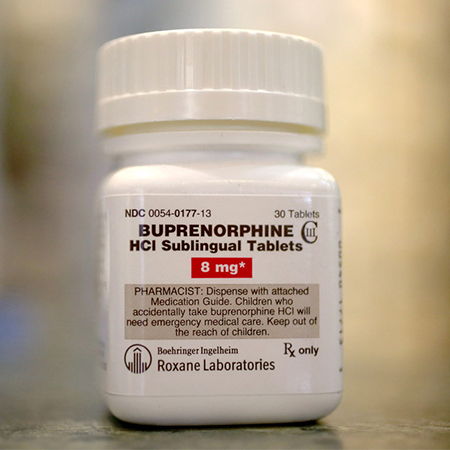
Buprenorphine
0.50$
Buy Buprenorphine Online | buprenorphine for sale | Order buprenorphine online
Buy Buprenorphine Online, Buy Bunex online, order Bunex online, Bunex for sale, purchase Bunex online
How effective is buprenorphine?
In addition, a number of factors often contribute to a person’s use of drugs. This may involve the combination of multiple treatment methods, such as maintenance of buprenorphine, counseling, alternative or holistic therapy, such as massage and naturopathic treatment.and develop a positive support network, including peers, family and friends and support groups.
Buprenorphine: A Comprehensive Guide to Uses, Benefits, and Side Effects
Buprenorphine is a widely used medication for managing opioid dependence and treating pain. It belongs to a class of drugs known as opioid agonist-antagonists, meaning it partially stimulates opioid receptors in the brain. As a result, it helps relieve pain and reduces cravings without the intensity and risk of overdose typically associated with full opioid agonists like heroin or morphine.
What is Buprenorphine?
Buprenorphine is primarily used for treating opioid use disorder (OUD), where it helps reduce cravings and withdrawal symptoms. It’s also used for managing moderate to severe pain, especially when other pain management strategies might not be sufficient or may have too many side effects. The drug is available in various forms, including sublingual tablets, patches, and injections, and can also be used in veterinary medicine to manage pain in animals.
How Does Buprenorphine Work?
The way buprenorphine works is unique compared to other opioids. While it binds to opioid receptors in the brain and spinal cord, it does so more weakly than full opioids like morphine. This means buprenorphine is effective in treating pain and reducing opioid cravings without producing a strong euphoric “high” or causing the same level of sedation and respiratory depression as other opioids. Additionally, buprenorphin has a ceiling effect, which means that after a certain dose, taking more will not increase its effects, reducing the risk of overdose.
Buprenorphine vs. Suboxone
A common question is whether buprenorphine is the same as Suboxone. While both contain buprenorphin, Suboxone is a combination of buprenorphin and naloxone. The naloxone is added to prevent misuse; if someone tries to inject Suboxone, the naloxone will block the effects of the drug. However, both medications are effective in treating opioid dependence and are used to ease withdrawal symptoms and cravings.
Buprenorphine for Cats and Other Animals
In addition to human use, buprenorphine is commonly used in veterinary medicine, particularly for pain management in cats. Buprenorphine is effective in treating postoperative pain or pain due to injury or illness in animals. Cats are often given buprenorphin as an injection or in an oral form to manage their pain.
However, like with humans, buprenorphine can cause side effects in animals. In cats, common side effects include drowsiness, vomiting, and loss of appetite. It’s essential for pet owners to follow their veterinarian’s instructions closely when administering buprenorphi to ensure the safety and comfort of their pets.
Buprenorphine Side Effects
Just like any medication, buprenorphi can cause side effects in both humans and animals. Some of the most common side effects in humans include:
- Drowsiness
- Nausea
- Constipation
- Dizziness
- Headache
In rare cases, more severe side effects can occur, such as allergic reactions or respiratory depression, especially when combined with other central nervous system depressants like alcohol or benzodiazepines. If you experience any severe reactions, seek immediate medical attention.
For pets, side effects are usually mild but may include lethargy, loss of appetite, and vomiting. Always monitor pets closely when using buprenorphin and report any concerning symptoms to the vet.
Buprenorphine and Drug Interactions
Buprenorphine can interact with various medications, increasing the risk of side effects or reducing the effectiveness of treatments. Common interactions include:
- Benzodiazepines (e.g., Valium or Xanax)
- Alcohol
- Antidepressants
- Antifungals
- HIV medications
These interactions can lead to serious side effects, such as extreme drowsiness, breathing problems, or even overdose. Make sure to inform your doctor or veterinarian about any other medications you or your pet are taking before starting buprenorphin.
Buprenorphine for Pain Management
For those needing pain relief, buprenorphine can be a valuable tool. Unlike full opioids, it offers pain relief while minimizing the risk of dependency and abuse. It’s commonly used for moderate to severe pain, especially in patients who may have difficulty tolerating other opioids. The medication works by altering how the brain perceives pain, making it a useful option for patients with chronic pain or those recovering from surgery.
Buprenorphine Max Dose
The buprenorphine max dose can vary based on the individual and the condition being treated. For opioid dependence, dosages usually start at 4 to 8 mg per day, and the amount may be adjusted based on response. For pain management, dosages can range, with maximum doses typically around 32 mg per day for most adults, but this can be adjusted depending on the patient’s pain levels and tolerance.
How Long Does Buprenorphine Stay in Your System?
A common question many people have is, how long does buprenorphine stay in your system? The answer depends on various factors, including the individual’s metabolism, the dosage, and the frequency of use. Typically, buprenorphi has a long half-life, meaning it stays in the system for a prolonged period, sometimes up to 60 hours or more. However, it can be detected in urine for several days after the last dose.
If you’re concerned about buprenorphine levels in urine tests, know that it can be detected for up to 4 days in most cases. However, this can vary depending on the person and the testing methods.
Buprenorphine Withdrawal Symptoms
While buprenorphine is effective at managing withdrawal symptoms from opioid use, stopping it suddenly can cause withdrawal effects. Symptoms of buprenorphine withdrawal include:
- Irritability
- Anxiety
- Sweating
- Nausea
- Insomnia
It’s important to taper off buprenorphine gradually under medical supervision to reduce the likelihood of withdrawal symptoms.
Buprenorphine Interactions
Another important consideration is buprenorphine interactions with other drugs. Some medications, especially those that affect the central nervous system, can interact with buprenorphin, increasing the risk of serious side effects. It’s crucial to consult your doctor about all medications you are taking to avoid any harmful interactions.
Conclusion
Buprenorphine is a powerful and versatile medication used to treat opioid dependence, manage pain, and provide relief for animals suffering from pain. Its unique action as a partial opioid agonist makes it an effective and safer option compared to full opioid agonists, with a lower risk of overdose and abuse.
Whether you are using buprenorphin for yourself, your pet, or to help manage opioid dependence, it’s crucial to follow your healthcare provider’s guidance to ensure its safe and effective use. Always consider potential drug interactions and side effects, and consult with your doctor for personalized advice.
By understanding how buprenorphin works and its potential risks, you can make informed decisions about your treatment plan or your pet’s care.
Related products