
Product

Morphine
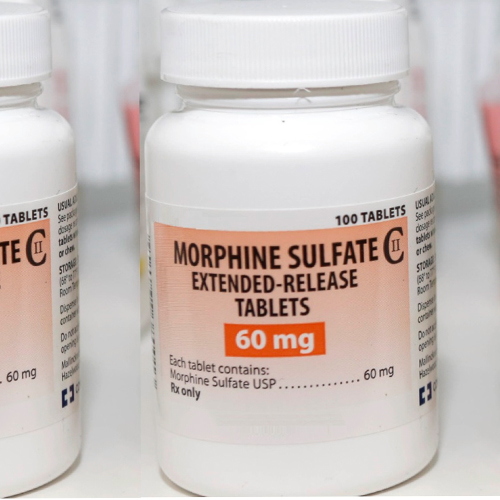
Morphine
3.50$
Morphine online
5.00out of5
based on1
Morphine: Understanding Its Uses, Effects, and Impact on Your Body
Morphine is a powerful medication that is widely used to manage severe pain. Derived from the opium poppy, it belongs to the class of drugs called opioids. While it is highly effective in providing pain relief, it also carries risks, particularly around addiction and overdose. In this article, we’ll explore what is morphine, its role in pain management, how long it stays in your system, and other important considerations.
What Is Morphine?
Morphine is a strong painkiller used primarily to treat moderate to severe pain. It works by acting on the central nervous system, blocking pain signals in the brain. It’s often prescribed after surgeries, for cancer pain, or for people with chronic pain conditions. Due to its potency, morphine is typically used only when other pain relief options aren’t enough.
While morphine is effective, it has side effects. These can include dizziness, nausea, constipation, and, in more severe cases, respiratory problems or dependence. For this reason, it’s essential that morphine is used under the supervision of a doctor.
How Long Does Morphine Stay in Your System?
A common question many have is, how long does morphine stay in your system? The answer varies based on several factors, such as the dosage, how often it’s taken, and individual metabolism. Typically, morphine can be detected in the urine for up to 2-3 days after use. In chronic users, it may remain in the system for a longer period, sometimes up to a week.
In the bloodstream, morphine’s half-life (the time it takes for the body to eliminate half the dose) is about 2 to 4 hours. However, it may take several days for morphine to completely leave the system, particularly in individuals who use it regularly.
The Role of Morphine in Pain Management
Morphine is one of the most effective medications for severe pain. It is commonly used in the hospital after surgeries or for people with serious illnesses like cancer. It can provide significant relief, especially for short-term pain management.
However, because of its potential for dependence, doctors often explore other options before prescribing morphine. A good example of this is the comparison between oxycodone vs morphine. Both are opioids, but morphine tends to be more potent, making it the go-to choice for severe pain. On the other hand, oxycodone is often used for moderate pain and tends to have a faster onset but a shorter duration of effect.
Does Morphine Speed Up Death?
A question that sometimes arises is, does morphine speed up death? In general, morphin is not meant to hasten death, but it can be used in palliative care to provide comfort for those nearing the end of life. When administered under medical supervision, it helps alleviate suffering in terminally ill patients.
However, if morphine is misused, such as in the case of overdose, it can slow down breathing and cause respiratory failure, which can be fatal. That’s why it’s crucial that morphine is used strictly as prescribed.
Methadone and Percocet to Oral Morphine Conversion
Sometimes, doctors need to switch a patient from one opioid medication to another. In these cases, a methadone and percocet to oral morphine conversion chart is used to ensure a smooth and safe transition. This ensures that the patient receives an equivalent dose of morphine to manage their pain without risking an overdose.
Since different opioids have different potencies, a conversion chart helps prevent errors. For example, methadone and Percocet may need to be adjusted to match the potency of morphine, especially if someone is switching to it for better pain control.
Oxycodone vs Morphine: Which Is Better for Pain Relief?
When comparing morphine vs oxycodone, the choice largely depends on the severity of the pain. Morphin is stronger and is typically reserved for more intense pain, such as that experienced after surgery or during cancer treatment. It has a longer duration of action and provides relief over a more extended period.
Oxycodone, on the other hand, is often used for less severe pain. It has a quicker onset and is generally preferred for moderate pain. Although both drugs are opioids and carry similar risks, morphine is generally more powerful and is more likely to be prescribed for patients dealing with severe pain.
Morphine Schedules and Dosages
Morphine is available in different dosages and formulations, depending on the patient’s needs. One common dose is morphine sulfate 5 mg/0.25ml, which is often prescribed to help manage moderate pain. The exact dose will depend on the individual, their medical condition, and whether they have used opioids before.
Because morphine can be addictive, it’s essential that healthcare providers carefully monitor its use, ensuring that the patient gets the right amount of pain relief without risking dependence.
Mighty Morphin Power Rangers Connection
It’s interesting to note that the word “morph” also appears in other contexts, like the Mighty Morphin Power Rangers. Fans of the series will recognize the green ranger mighty morphin and the mighty morphin power rangers green ranger as key characters. While these references have nothing to do with the pharmaceutical use of morphin, the shared word “morph” serves as a fun cultural connection.
The mighty morphin power rangers mega battle ps4 pkg dlc file and mighty morphin power rangers blue are other aspects of the Power Rangers universe that showcase the lasting popularity of the franchise. These references are lighthearted and not related to the medical use of morphine, but it’s amusing how the word “morph” connects these two very different topics.
Power Rangers Collectibles and Merchandise
For collectors, items like the power rangers lightning collection mighty morphin yellow ranger power morpher are popular choices. These collectibles celebrate the Power Rangers legacy, but they have no connection to morphine as a medication.
Conclusion
In conclusion, morphine is a vital medication for managing severe pain, but it comes with risks that require careful management. Whether it’s used for post-surgery pain, cancer pain, or chronic pain, morphin can provide significant relief when used correctly. However, like all opioids, it carries the potential for dependence and overdose, which is why it must be used under strict medical supervision.
Comparing oxycodone vs morphine, understanding proper methadone and percocet to oral morphine conversion, and knowing how long morphine stays in your system are all important considerations when using this drug. Always consult your healthcare provider to ensure you are using morphine safely and effectively to manage your pain.
Related products